
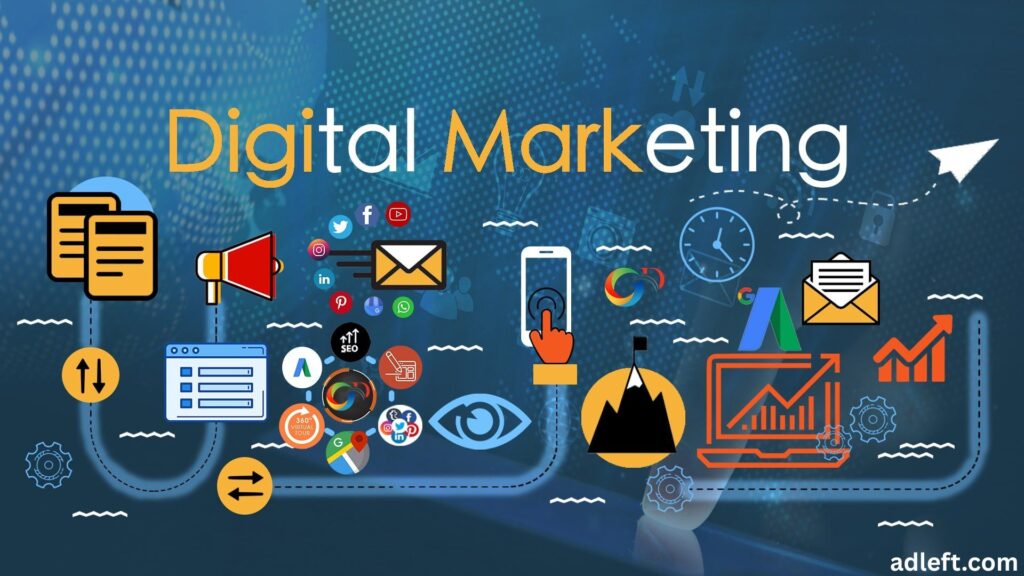
Competitive online landscape, having the right digital marketing tactics can make or break your brand’s success. The Ultimate Guide to Successful Digital Marketing Tactics is designed to help businesses of all sizes master the tools, strategies, and techniques needed to grow their online presence, attract the right audience, and boost conversions.
From SEO and content marketing to social media and email campaigns, this guide covers everything you need to build a results-driven marketing plan. Whether you’re a beginner or an experienced marketer, these proven tactics will help you stay ahead of the curve and achieve measurable success.
Master Search Engine Optimization
SEO is the foundation of organic digital growth. It helps your website appear in search engine results when users type relevant queries. Focus on both on-page SEO (keywords, meta descriptions, headers, content quality) and off-page SEO (backlinks, social shares). Regularly update content to maintain relevance and authority. Use tools like Ahrefs, Moz, or Google Search Console to audit your site and track keyword rankings.
Leverage Content Marketing
Content is still king. Valuable, engaging content not only builds trust but also improves SEO and keeps users on your site longer. Types of content include blog posts, videos, infographics, eBooks, case studies, and podcasts. The key is to provide real solutions or insights that your audience cares about. Consistency is crucial create a content calendar and publish regularly across platforms.
Embrace Social Media Marketing
Social media platforms are essential for brand visibility, engagement, and even customer service. Platforms like Facebook, Instagram, LinkedIn, and TikTok allow you to connect directly with your audience. Create content tailored to each platform’s style. Use reels, stories, and carousels for visual appeal. Always respond to comments and messages to build relationships. Paid ads on social media can further boost reach and conversions when targeted well.
Use Email Marketing Wisely
Despite the rise of social platforms, email remains one of the highest ROI digital marketing channels. It’s personal, direct, and measurable. Build an email list through lead magnets like free downloads, discounts, or exclusive content. Segment your list based on user behavior and preferences to send targeted campaigns. Automate email workflows for welcome messages, abandoned cart reminders, and newsletters.
Invest in Pay-Per-Click
PPC ads such as Google Ads and Bing Ads help you appear at the top of search results. It’s a great way to gain immediate visibility and drive traffic. Target keywords relevant to your product or service. Use A/B testing for ad copy, visuals, and CTAs to optimize performance. Keep an eye on metrics like Cost Per Click (CPC), Click-Through Rate (CTR), and Return on Ad Spend (ROAS).
Optimize for Mobile
More than half of web traffic comes from mobile devices. If your site isn’t mobile-friendly, you’re missing out. Use responsive design so your website adapts to any screen size. Test page load times and make sure buttons and text are easy to navigate on smartphones. Google also considers mobile usability in its search rankings, so this affects your SEO as well.
Create Video Content
Video marketing continues to dominate the digital space. Platforms like YouTube, Instagram, and TikTok are powerful tools to tell your story, explain products, and build trust. Create how to videos, behind-the-scenes content, customer testimonials, and product demos. Keep videos short, engaging, and optimized with relevant tags and descriptions. Live videos and interactive reels can boost engagement even more.
Implement Marketing Automation
Automation saves time and ensures consistent messaging across platforms. Tools like HubSpot, Mailchimp, and ActiveCampaign let you automate email sequences, social media posts, lead nurturing, and more.
Use automation to personalize customer journeys without constant manual work. For example, send tailored product recommendations based on browsing history or purchase behavior. Track open rates, click rates, and conversions to refine campaigns.
Know Your Audience
Every successful marketing campaign starts with a deep understanding of your audience. Who are they? What are their pain points, goals, and preferences? Create buyer personas detailed profiles that include demographic information, online behavior, and shopping habits. Use analytics tools, surveys, and customer feedback to build accurate personas. This insight will guide all your digital strategies, from content creation to ad targeting.
Set SMART Goals
Clear goals give your marketing efforts direction. Set SMART goals Specific, Measurable, Achievable, Relevant, and Time bound. For example, instead of saying “increase website traffic,” say “increase monthly traffic by 25% in 3 months.” This clarity helps track progress and refine tactics based on performance.
Local SEO and Google Business
If you operate a local business, local SEO is a must. Claim and optimize your Google Business Profile. Add your location, business hours, phone number, and photos. Encourage happy customers to leave reviews, and respond to them promptly. Reviews increase trust and visibility in local search results. Also, include location-based keywords in your content and metadata.
Frequently Asked Questions
What is digital marketing and why is it important?
Digital marketing refers to the use of online channels such as websites, social media, email, and search engines—to promote products or services. It’s essential because it allows businesses to reach a larger audience, target specific demographics, and measure results more accurately than traditional marketing.
What are the most effective digital marketing tactics for beginners?
For beginners, the most effective tactics include SEO (search engine optimization), content marketing, email campaigns, and social media engagement. These methods are cost-effective and help build a solid foundation for long-term growth.
How can I improve my SEO to get better rankings?
Focus on keyword research, optimize your website’s on-page elements (titles, meta tags, headers), publish high-quality content regularly, and build backlinks from reputable sources. Also, make sure your site is mobile-friendly and fast-loading.
How often should I post content on social media or my blog?
It depends on your audience and resources. For social media, aim for 3–5 posts per week. For blogs, posting once or twice a week is effective if the content is valuable and optimized. Consistency is more important than frequency.
What tools can help me manage digital marketing more efficiently?
Popular tools include Google Analytics (for tracking), SEMrush or Ahrefs (for SEO), Mailchimp (for email marketing), Buffer or Hootsuite (for social media scheduling), and Canva (for graphics). Marketing automation platforms like HubSpot can integrate multiple functions.
How long does it take to see results from digital marketing?
Some tactics like PPC ads or social media promotions can show immediate results. However, SEO and content marketing usually take 3–6 months to generate significant traffic and conversions. Patience and consistency are key.
What is the difference between organic and paid digital marketing?
Organic marketing includes unpaid strategies like SEO, blogging, and social media engagement. Paid marketing includes tactics like PPC ads, sponsored social posts, and display ads. Combining both often leads to the best results.
Conclusion
Digital marketing is no longer a luxury it’s a necessity for any brand that wants to stay relevant and competitive. With the right mix of tactics, from SEO and content creation to social media and paid advertising, you can build a strong online presence that attracts, engages, and converts your ideal audience.
